Why Long-Term Success in Roofing Has Nothing to Do with Headcount
What actually makes a roofing company successful over the long haul?
According to Jon Abernathy, it is not about building the biggest sales team or chasing the fastest growth. The companies that survive and scale are the ones that focus on culture, systems, customer experience, and operational discipline.
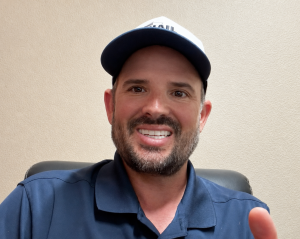
Jon has spent more than 25 years in the roofing industry, starting in framing and construction before building Abernathy Roofing into one of the strongest roofing brands in his market. Along the way, he learned plenty of lessons the hard way, what he calls “paying the dumb tax.” Today, he helps contractors avoid those same mistakes through coaching and his work with TAMKO’s Contractor Edge program and the Roofing Strong Alliance.
This episode is packed with practical advice for roofing contractors who want to build a business that can grow without sacrificing quality or culture.
Culture Always Beats Talent
One of the biggest themes throughout the conversation was hiring.
Jon made it clear that many roofing companies make the mistake of hiring based purely on production numbers. A salesperson may bring in millions in revenue, but if they damage the culture, create internal tension, or fail to align with the company’s values, the long-term cost is enormous.
“It’s not about quantity. It’s more about quality.”
Early in his growth journey, Jon filled rooms with salespeople thinking more bodies would equal more revenue. Once he started tracking performance data closely, he realized only a small percentage of the team was producing most of the results.
That realization completely changed how he approached hiring.
Instead of chasing aggressive sales personalities focused only on money, Jon looked for people who cared about family, community, relationships, and long-term growth. He wanted people who aligned with the company mission, not just the compensation plan.
He also emphasized being “slow to hire and fast to fire.” Holding onto toxic employees for too long can quietly destroy morale, communication, and customer experience across the entire organization.
One lesson stood out clearly: culture problems rarely stay isolated.
When Jon finally removed one high-producing but toxic salesperson from the company, the rest of the team stepped up and actually outperformed expectations.
For roofing contractors, that is an important reminder that protecting culture is not soft leadership. It is operational leadership.
The Roofing Companies Winning Today Are Better at Customer Experience
Jon believes the roofing industry has changed dramatically over the past decade.
Years ago, especially in storm markets, homeowners often cared very little about the roofing process because insurance covered most of the cost. Today, deductibles are significantly higher, homeowners are paying more out of pocket, and customers are paying closer attention to every interaction.
That means roofing companies must shift from transactional sales to consultative sales.
The contractors winning today are the ones educating homeowners, communicating consistently, and delivering a professional experience from the first phone call to the final walkthrough.
Jon repeatedly emphasized that communication is one of the biggest gaps in roofing operations.
Through homeowner surveys and customer feedback data, he found that poor communication was one of the top reasons homeowners left negative reviews or refused to recommend a company.
Interestingly, homeowners often could not judge roofing quality itself. They assumed the roof was installed correctly. What they noticed immediately was professionalism, responsiveness, cleanliness, and communication.
That means customer experience is not optional anymore. It is one of the strongest drivers of referrals, reviews, and repeat business.
Why Project Managers Became the Key to Scaling
One of the most valuable parts of the conversation focused on project management.
Like many roofing companies, Jon originally used a cradle-to-grave sales model where sales reps handled everything from selling the job to managing production.
Eventually, he realized that salespeople make poor project managers.
Sales reps want to sell. They do not want to sit on job sites overseeing quality control and customer communication.
That led Jon to build a dedicated project management system focused entirely on production quality and customer experience.
The results were massive.
Project managers followed detailed job checklists, documented every project with extensive photos, performed attic inspections, handled homeowner communication, and focused heavily on installation quality.
Jon explained how one major storm season forced him to hire crews too quickly without enough oversight. A few years later, he ended up writing hundreds of thousands of dollars in checks fixing roofing issues caused by poor production quality.
That painful lesson completely changed the company’s operational systems.
Today, project managers are one of the most important parts of the business.
“I think the project managers sell as many roofs as the sales guys.”
When installations run smoothly and homeowners feel cared for, referrals happen naturally. Neighbors notice. Reviews improve. Sales become easier.
Small Operational Leaks Quietly Destroy Profitability
Another major takeaway from the episode was how much profit roofing companies lose through operational inefficiencies.
Jon shared a simple but powerful example involving roofing crews wasting shingles during installation. Once he noticed how much material was being thrown away unnecessarily, the company redesigned its compensation and efficiency systems.
That single operational improvement saved hundreds of thousands of dollars annually.
The broader lesson is that many roofing businesses focus too heavily on generating more leads while ignoring operational waste inside the company.
Jon believes many contractors do not actually need more marketing.
They need better systems.
“You don’t need to spend more on marketing. You need to get better on your internal process.”
He specifically highlighted speed to lead, communication workflows, customer follow-up, and data tracking as areas where roofing companies lose enormous amounts of revenue.
Without systems, those leaks compound over time.
Data Is What Allows Roofing Companies to Scale
Throughout the episode, Jon repeatedly returned to one central idea: data drives growth.
Every department inside the business tracked measurable KPIs, from customer experience to operational efficiency to profitability.
The goal was not simply collecting data for reports. The goal was creating actionable insights that improved performance.
Jon stressed that roofing companies cannot scale successfully if they rely only on intuition or occasional reactions.
Instead, they need systems that proactively identify problems before they damage the customer experience or profitability.
That mindset also extended to compensation.
The company implemented profit-sharing programs that aligned incentives across departments. Everyone in the organization understood how operational efficiency, customer satisfaction, and profitability impacted the business.
As a result, employees became more engaged, collaborative, and focused on continuous improvement.
Building a Roofing Brand Takes Years of Consistency
Jon also discussed how strong roofing brands are built.
Branding is not just logos or advertising campaigns. Real roofing brands are built through years of consistent customer experience, community involvement, quality work, and reputation.
Abernathy Roofing became known locally because they stayed involved in the community, supported local causes, volunteered regularly, and treated customers well.
That consistency created trust.
And trust makes sales easier.
When homeowners already recognize your brand positively, the sales process becomes far more consultative and far less combative.
Final Thoughts
This episode is a masterclass in sustainable roofing company growth.
Jon Abernathy’s approach is not built around flashy tactics or overnight success. It is built around culture, systems, communication, operational discipline, and long-term thinking.
For roofing contractors trying to scale, the message is clear: The companies that win long term are not always the loudest or the fastest growing. They are the ones that consistently deliver a great experience, protect their culture, measure the right data, and improve their systems year after year.
That is what creates a roofing company people want to work for and homeowners want to recommend.