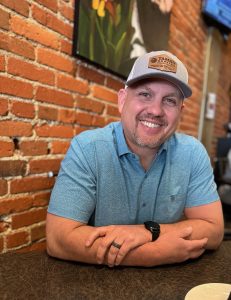
Success in roofing is often measured by revenue, truck wraps, and how busy the calendar looks. But in this episode of the Roofing Success Podcast, Jeff Valder challenges that definition head-on. His message is simple, uncomfortable, and deeply needed in the industry: if you do not know who you are outside of your business, no amount of growth will ever feel like success.
This conversation digs into identity, leadership, excellence versus perfection, and why many roofing owners feel trapped inside the very companies they worked so hard to build.
When Your Business Becomes Your Identity
Jeff’s journey into roofing was accidental, like many others in the industry. What stood out was not his technical background, but his ability to connect with people and help them grow. Over time, his career success became tightly intertwined with who he believed he was.
That is where the problem started.
Like many roofing owners, Jeff found himself defined almost entirely by his work. Trade shows, titles, responsibilities, and performance metrics slowly replaced deeper questions of purpose and fulfillment. When that identity was disrupted, it forced him to confront something most business owners avoid.
Who am I when I am not my job?
For roofing contractors, this question can feel threatening. The business often starts as survival, then becomes pride, and eventually turns into a personal measuring stick for worth. Jeff points out that while this is common, it is also dangerous. A business can change. Roles evolve. Markets shift. If identity is tied only to work, instability is inevitable.
Why Many Roofing Owners Feel Trapped
Jeff highlights a familiar pattern in roofing. Someone starts a company because they are great at sales or production. Soon, they realize they are now responsible for operations, hiring, leadership, finances, and culture. The freedom they expected never arrives.
Instead, the business becomes a cage.
This is where many owners chase the wrong kind of success. They double down on growth, believing more revenue or more jobs will fix the frustration. In reality, the issue is misalignment. They are spending their time in roles that drain them instead of leaning into what they do best.
Success without alignment leads to burnout, resentment, and poor leadership.
The Four-Part Filter for Focus and Fulfillment
Jeff introduces a practical framework he uses with coaching clients to help them identify where they should be spending their time. He calls it the four Es:
- Excellence: What you are genuinely good at
- Enjoyment: What you actually like doing
- Ease: What comes naturally to you
- Energy: What gives you life instead of draining it
When all four overlap, that is where owners should focus their attention. For many roofing business owners, this realization alone creates immediate clarity. It also reveals which responsibilities should be delegated, hired out, or restructured.
Leadership becomes stronger when owners stop forcing themselves into roles they were never meant to play.
Paint the Apple: A Better Definition of Purpose
One of the most powerful moments in the episode is Jeff’s “paint the apple” story. The idea is simple. You only get one canvas, your life. You have colors that nobody else has. The goal is not to copy someone else’s painting, but to create your own.
In roofing, comparison is constant. Revenue numbers, awards, social media posts, and growth benchmarks often dictate how owners measure themselves. Jeff pushes back on that mindset. Your version of success should reflect who you are, not what the market celebrates.
When owners slow down and define what they want to build and why, decisions become clearer. Growth becomes intentional instead of reactive.
Excellence Beats Perfection Every Time
Perfection is a trap many high-performing roofing owners fall into. Jeff speaks openly about how striving for perfection led to shame, self-criticism, and burnout. Perfection is unattainable. Excellence is sustainable.
Excellence allows room for learning, mistakes, and growth. Perfection demands impossible standards and punishes failure. In leadership, this difference matters.
Owners who expect perfection create fear-driven cultures. Owners who model excellence create teams that learn, improve, and take ownership.
Leadership Is About Ownership and Vulnerability
Jeff makes it clear that effective leadership starts with self-awareness and accountability. Leaders who admit mistakes, ask for feedback, and take ownership earn trust faster than those who project confidence without humility.
One of the most actionable takeaways is this: if you want people to trust you, be willing to be vulnerable.
That does not mean oversharing or avoiding responsibility. It means acknowledging failure, learning from it, and moving forward without blame. Jeff sums this up with a simple principle he uses with clients:
Leave the mistake. Take the lesson.
Building a Roofing Business That Actually Feels Successful
The biggest takeaway from this episode is not tactical. It is foundational. Roofing owners who chase alignment instead of applause build better companies, healthier cultures, and more sustainable success.
Money matters. Growth matters. But without clarity of purpose and self-awareness, those wins feel empty.
True success is building a company that reflects who you are, allows you to operate in your strengths, and creates value beyond yourself. When owners get that right, everything else follows.