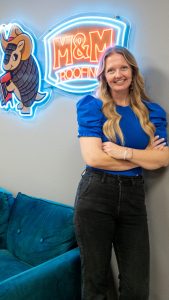
Buying a roofing company without ever working in roofing sounds like a recipe for failure. Most people would spend years learning the trade before ever considering business ownership. Emily May took the opposite approach.
After spending 17 years as a nurse, Emily purchased a 30-year-old roofing company with almost no due diligence, no CRM, no modern systems, and very little knowledge of the industry itself. What she did have was a willingness to learn, a passion for building businesses, and the belief that surrounding herself with the right people would allow her to figure everything else out.
Just a few years later, she has transformed that company into a growing residential and commercial roofing business by focusing on branding, customer experience, operational discipline, and continuous learning. In this episode of the Roofing Success Podcast, Emily shares the lessons she learned from buying an established business, why numbers matter more than revenue, and how building a recognizable brand has become one of her greatest competitive advantages.
You Don’t Have to Know Roofing to Build a Great Roofing Business
Emily’s story began after listening to entrepreneur Cody Sanchez talk about buying “boring businesses” that generate consistent cash flow. At the time, she and her husband owned several rental properties, and while replacing a roof on one of those homes, she casually asked the contractor if he had ever considered selling his business.
The next day, he called back and said yes.
Within weeks, Emily had purchased a roofing company despite having virtually no industry experience. While most people would have viewed that as a disadvantage, Emily saw it as an opportunity to build the company differently. Because she couldn’t rely on technical roofing knowledge, she had to rely on systems, education, and people who understood the parts of the business she didn’t.
That mindset became one of her biggest strengths.
Buying an Established Company Doesn’t Mean Buying an Established Business
Although the roofing company had been operating for nearly 30 years, Emily quickly realized she hadn’t purchased a fully functioning business. She often jokes that what she really bought was a startup with an established phone number and reputation.
There were no financial systems, no CRM, no modern marketing, and very few documented processes. Quotes were handwritten, operations revolved around one person, and almost everything depended on the owner being involved.
Rather than becoming discouraged, Emily viewed it as an opportunity to build the kind of company she wanted. She introduced technology, implemented systems, invested in marketing, and shifted the focus toward creating a business that could eventually operate without depending on one individual.
Customer Experience Became the Differentiator
Coming from a nursing background, Emily naturally approached roofing differently than many contractors.
Instead of viewing roofing as a transactional business, she believes it’s a hospitality business. Homeowners are often making one of the largest investments they’ll ever make, and they deserve clear communication, education, and a company that proactively guides them through the process.
That philosophy influenced everything from customer interactions to the products they install. Rather than simply following industry norms, Emily constantly asked what represented best practices and looked for ways to improve the homeowner experience.
It’s a perspective that helped differentiate MM Roofing in a crowded marketplace.
The Numbers Tell the Real Story
One of the biggest surprises for Emily wasn’t learning roofing. It was discovering how many contractors don’t truly know what each job costs.
She became obsessed with job costing and understanding exactly where money was being made—or lost. By carefully tracking labor, travel time, mobilization costs, supplier trips, and project delays, her team discovered some jobs that looked profitable on paper were actually losing money.
Those insights changed the way they bid projects, communicated with general contractors, and evaluated every completed job.
For Emily, revenue has never been the goal by itself. Profitability comes from understanding the details, identifying inefficiencies, and making small operational improvements that compound over time.
Sometimes the Best Business Decision Is Walking Away
One lesson Emily learned through careful job costing is that not every customer—or every project—is the right fit.
After reviewing the true cost of certain commercial projects, she realized some jobs were keeping crews busy without producing meaningful profit. Instead of continuing to accept that work, she had honest conversations with general contractors about changing pricing, improving communication, or simply walking away from projects that no longer made financial sense.
That’s a difficult decision for many roofing companies, especially sales teams focused on growing revenue. But Emily believes saying no to unprofitable work creates room for better opportunities and healthier long-term growth.
Branding Is a Long-Term Investment
If there’s one topic Emily is especially passionate about, it’s branding.
She admits that trusting the process wasn’t easy because branding rarely produces immediate results. Billboards, truck wraps, community involvement, mascots, and consistent messaging all require significant investment before they generate measurable returns.
Instead of trying to cram every service and phone number onto a billboard, Emily focused on making MM Roofing memorable. Their armadillo mascot, Rufus, bold branding, and consistent presence throughout the community have helped homeowners recognize the company long before they need a roof.
Eventually, people began saying the words every business owner wants to hear:
“I see you everywhere.”
For Emily, that became the clearest sign the brand was working.
Growth Doesn’t Always Mean Starting From Scratch
As the residential business grew, Emily saw another opportunity by purchasing an established commercial roofing company.
This acquisition was very different from the first. The commercial company already had experienced staff, manufacturer certifications, a sheet metal fabrication shop, and well-developed operational processes. Emily brought the marketing, branding, and growth strategy, while the commercial business added infrastructure and expertise her original company didn’t have.
Rather than operating two separate brands, she merged them under one company, creating a stronger organization capable of serving both residential and commercial customers.
It’s a reminder that growth isn’t always about opening new offices. Sometimes acquiring the right business allows you to accelerate much faster than building everything yourself.
Know Your Why Before Business Gets Hard
As the conversation came to a close, Emily returned to what she believes matters most: knowing why you’re building the business in the first place.
For her, it started with wanting the freedom to travel with her family. Today, that purpose has evolved into building opportunities for her team, creating a lasting business, and continuing to grow without becoming consumed by arbitrary revenue goals.
She also believes many entrepreneurs choose goals that are far too vague. Saying you want financial freedom isn’t enough. You have to define exactly what that means, why it matters, and what success actually looks like for you.
When business becomes difficult—and it inevitably will—that clear purpose becomes the reason you keep moving forward.
Emily’s journey proves that success in roofing isn’t reserved for those who grew up in the industry. It’s available to anyone willing to learn relentlessly, surround themselves with great people, make decisions based on data instead of emotion, and stay committed to building something that lasts.