For many roofing companies in storm-prone markets, a major weather event can mean a major surge in business. But building a company around the hope that another hurricane, hailstorm, or windstorm will arrive creates an obvious problem: you cannot control the weather.
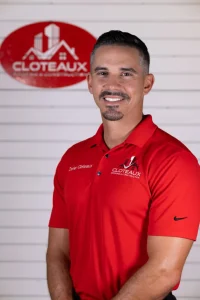
Daniel Cloteaux, founder of Cloteaux Roofing & Construction in Lafayette, Louisiana, knows both sides of that business. A third-generation roofer, Daniel started his company in 2017 while also working as a firefighter. Over time, he learned how to build a roofing company capable of handling insurance work while also generating retail replacements, repairs, and financed projects.
Today, he has reached a point where the next storm is an opportunity, not a requirement.
“We don’t need a storm to be successful.”
That shift did not come from one strategy. It came from years of learning, adapting, making expensive mistakes, developing his team, and becoming willing to change the way the company operated.
From Firefighter to Full-Time Roofing Business Owner
When Daniel graduated from college, he was doing whatever he could to make money. He umpired baseball, worked security at a bar, installed flooring, handled roofing jobs, and took on handyman work through the construction company he started in 2017.
The problem was consistency. Some months were profitable, while others brought very little work. Daniel needed a way to supplement his income, and firefighting offered both financial stability and an opportunity to serve his community.
That experience eventually influenced the way he approached roofing.
As a firefighter, when an emergency call came in, the expectation was simple: stop what you are doing and respond. Daniel applies a similar mentality when a homeowner calls with a roof leak. Instead of allowing the problem to sit, his instinct is to get someone moving quickly.
Firefighting also helped Daniel build relationships throughout the community. Even after leaving the department, those relationships remained important. He continues supporting firefighters, local schools, sports programs, and other organizations in his area.
Make Sure Your Market Knows What You Do
As Daniel’s roofing business grew, hurricanes created an influx of work. But they also exposed a branding problem.
People Daniel knew personally started telling him that they would have called him for their roofs if they had known he was a roofer.
For Daniel, that was a wake-up call.
His company had originally been Cloteaux Construction because he handled much more than roofing. Eventually, after working with a marketing professional and recognizing that the business wasn’t appearing as strongly as it could for roofing searches, Daniel decided to rebrand and put roofing directly into the company name.
It was a simple but important lesson: being good at roofing does not matter if your market does not know you are the roofer to call.
Building a Roofing Company That Doesn’t Need a Hurricane
One of the biggest changes in Daniel’s business came from learning how to operate effectively in both insurance and retail roofing.
Earlier in his career, Daniel associated insurance roof replacements primarily with hurricanes. Through coaching, he learned more about legitimate hail and wind claims and realized that homeowners did not necessarily have to wait for a hurricane when qualifying storm damage already existed.
At the same time, Daniel did not want insurance to become the company’s only path to a sale.
If a roof has legitimate storm damage, his team can work within the insurance process. If that damage isn’t present, they can still offer homeowners retail repairs, replacements, and financing options.
That flexibility has fundamentally changed the business.
“Everybody’s praying for a storm… And I’m like, man, I don’t need a hurricane right now. I’m so busy, my books are backed up.”
For roofing contractors, that distinction is important. Storm expertise can be valuable, but a company becomes much less dependent on circumstances outside its control when it also knows how to generate and close retail opportunities.
Learning to Fill the Gaps in the Business
Daniel describes his role as “plugging the hole.” When he sees a gap in sales, production, marketing, or the office, he steps in and fills it.
That mentality helped him build the company, but it has also shown him where stronger leadership is needed.
One of his biggest challenges has been finding the right sales manager. Daniel has experimented with hiring leaders both inside and outside roofing. His experience taught him that industry knowledge alone isn’t enough, and neither is simply having sales experience.
Leadership requires doing the work.
“People want to work for a leader, not a boss.”
Daniel wants leaders who are willing to get into the attic, knock doors, work alongside the team, and demonstrate what they expect from others. That same philosophy shapes how he views his own responsibility as an owner.
Core Values Have to Show Up in Hiring
Hiring mistakes have also made Daniel more intentional about who joins the company.
At Cloteaux Roofing & Construction, integrity, mutual respect, personal development, accountability, communication, and teamwork aren’t intended to be words that exist only on a wall. Daniel sees them as the foundation of the company’s culture.
If a candidate doesn’t align with those values, he doesn’t believe the relationship will work long term.
After some unsuccessful hires, Daniel has also changed the way he vets candidates. He now puts more emphasis on due diligence, additional phone calls, and more conversations before making the decision.
For contractors trying to build a company that can grow beyond the owner, the lesson is significant: filling a position quickly is not the same as finding someone capable of leading it.
Why Daniel Uses Subcontracted Roofing Crews
Daniel’s willingness to rethink the business extends into production.
His roofing crews are subcontractors rather than direct employees. During the period surrounding Hurricane Laura, Daniel realized there were independent crews capable of producing quality work if they were properly coached and held to the company’s expectations.
But he has clear requirements before a crew can work with him.
They need the appropriate license and insurance. If they cannot provide those things, Daniel doesn’t continue the conversation.
That policy came from experience, particularly an expensive workers’ compensation lesson earlier in his career. Daniel had used laborers without the necessary insurance and later discovered during a workers’ comp audit that his company was responsible for additional costs.
It was an expensive education, but one he didn’t forget.
The Expensive Lessons Behind Growth
Workers’ compensation wasn’t Daniel’s only costly lesson.
Taxes became another.
Like many owners chasing a revenue milestone, Daniel remembers the excitement of growing the company toward $10 million. Revenue went up, but so did the tax obligation. When the bill arrived, Daniel realized there was an entire side of business ownership he needed to understand better.
His response was to educate himself.
Daniel also credits one of his best business decisions with helping solve another financial weakness: bringing his wife, Heather, into the company.
In the early years, Daniel was tracking financial information on a notepad before eventually moving to QuickBooks. Heather had studied accounting and developed professional experience in the field. When she eventually joined the roofing company full time, Daniel says the business began growing significantly.
The experience reinforces a reality many contractors discover as they scale. Selling and installing more roofs is only part of building a successful roofing company. The financial and administrative side has to mature alongside revenue.
Learn From Other Roofers, Then Test It in Your Market
Daniel is also a strong believer in learning from contractors outside his immediate market.
He values hearing what roofers in other states are doing, how different markets operate, and what strategies are producing results elsewhere. But he doesn’t believe every good idea should automatically be copied.
His approach is trial and error.
When he hears something that could work in Lafayette, he considers implementing it, measures whether it works, and is willing to scrap it if it doesn’t. He also asks whether implementing the idea is worth the time required.
That willingness to pivot has become increasingly important as marketing, SEO, insurance, and regulations continue changing. Rather than expecting to find one strategy that works forever, Daniel expects the business to keep adapting.
Success Is Bigger Than the Next Revenue Goal
Daniel’s definition of success has changed as the company has grown.
It includes giving back to the community, watching his team succeed, creating happy customers, providing for the families who depend on the company, and leaving a legacy for his own family.
For him, success also means enjoying the work and knowing the business is making an impact.
That may be the biggest lesson behind Daniel’s decision to stop waiting for the next storm. A sustainable roofing company cannot control when a hurricane arrives, when insurance rules change, when SEO shifts, or when the market slows down. What an owner can control is how prepared the company is to respond.
Daniel has built his business around that adaptability. Learn both retail and insurance. Build relationships in the community. Hire around values. Learn from expensive mistakes. Develop leaders. Test new ideas. And when the industry changes again, be prepared to pivot.
Because when the business can create opportunities on its own, the forecast no longer determines its future.