Why Your Roofing Company Isn’t Making Enough Money
Building a Business That Doesn’t Break You
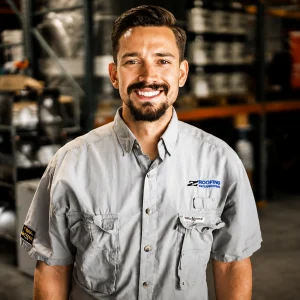
If you’ve ever felt like your roofing company is spinning its wheels despite growth, this episode is for you. Zach Exposito shares a no-nonsense look at the hiring mistakes, structural missteps, and financial blind spots that nearly derailed his company — and the changes that transformed it into a well-oiled, profit-driven operation.
From redefining project management to building reliable in-house crews, Zach’s journey is a masterclass in what it really takes to run a roofing business that scales and stays profitable.
Departments Are Built, Not Hired
Early in Zach’s journey, his company was running lean — sometimes too lean. One person juggled everything from permitting to payroll, and field teams were overextended. Over time, Zach realized that sustainable growth required structure.
“Every department needs defined roles, procedures, and the right people — and that takes time.”
He started adding departments slowly, hiring carefully, and learning from missteps. For example, their initial attempt at building a project manager role failed. The role lacked structure, expectations weren’t clear, and hires weren’t trained properly. The result? Bottlenecks and burnout.
The fix came through restructuring the role, writing out responsibilities clearly, and committing to slow hires and thorough training.
Why Hiring Isn’t the First Solution
Zach urges contractors to stop solving problems by “just hiring someone.”
“We used to hire because we needed help. Now, we hire because we’ve built a role designed to succeed.”
If the role isn’t clearly defined, the hire will fail — and the cost is more than financial. Poor hires create friction, extra work, and missed expectations. Instead, Zach recommends hiring after the process is in place and only bringing on team members who can elevate that process, not create more chaos.
Residential vs. Commercial: Why Crew Structure Matters
Zach’s company operates across residential, commercial, and new construction — but how they staff those services is intentional. They use in-house crews for residential work and subs for most commercial jobs.
Why? Because residential customers demand a personal, high-touch experience.
“Subcontractors don’t always go back and fix a stain on the driveway. Our guys do. That matters.”
Commercial work, on the other hand, is less personal and more deadline-focused. Subcontractors can bring more manpower to large-scale jobs, while in-house crews stay focused on responsive, high-quality residential service.
Financial Discipline: The Real Game-Changer
Zach came into roofing with a background in finance — and that lens has shaped his entire approach. Most contractors ignore financials until it’s too late. Zach watches his P&L, job costing, and cash flow like a hawk.
“You can have the best crews in the world, but if your financials are a mess, you won’t survive.”
He advocates for:
- Comparing year-over-year P&Ls
- Analyzing job-level costs
- Spotting rising expenses early
- Reinvesting profits strategically
What’s a Healthy Profit Margin?
Zach doesn’t sugarcoat it. He expects:
- Residential Net Profit: 20% minimum
- Commercial Net Profit: 30–40%
- New Construction: Lower margin, but manageable with volume and select clients
His philosophy? Know your numbers, know your worth, and price accordingly.
Reinvestment: The Most Overlooked Growth Strategy
Many contractors take profits too soon and fail to build long-term value. Zach emphasizes reinvesting in:
- Safer equipment (think ladders before lawsuits)
- Reliable fleet vehicles
- Staff training and retention
- Internal systems and software
“Pay yourself a salary. Reinvest the rest. That’s how your company becomes sustainable.”
New Construction: Quality Over Quantity
While many avoid new construction due to razor-thin margins and bid wars, Zach carved out a niche by being selective and building relationships.
“We don’t bid for everyone. We work with contractors who value quality and are willing to pay for it.”
He vets partners through real conversations — not just spreadsheets — to ensure mutual fit and avoid being just another number in a seven-bid pile.
Training Is the Competitive Edge
Whether it’s crews or PMs, Zach believes training is what turns a hire into an asset. Even experienced roofers coming from other companies need onboarding.
“Everyone says they know roofing, but our way is different. We train every new hire — no exceptions.”
He recommends 60–90 days of shadowing, documentation, and ongoing check-ins to ensure success. That patience pays off in retention, performance, and culture.
Final Thought: Look Inward, Not Sideways
Zach closes with a reminder that’s both refreshing and challenging:
“Don’t just copy what other companies are doing. Build your own roadmap and trust your process.”
Whether it’s creating departments, managing crews, or tracking profitability, the key is consistency and self-awareness. Zach’s story proves that with discipline, structure, and the right people, even a struggling business can evolve into a machine built for scale.