Roofing contractors can turn a project problem into a referral by addressing it quickly, communicating honestly, fixing what went wrong, and asking the homeowner for a specific introduction once the work is complete. A problem can test a customer’s trust, but the way you respond can also give them a reason to recommend your company.
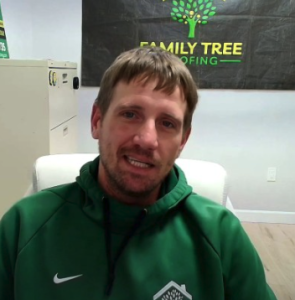
Brandon Witten, founder of Family Tree Roofing in the Tulsa area, says construction projects sometimes involve unexpected damage. His approach is to take responsibility, explain how the issue will be fixed, and keep the homeowner informed.
What should a roofer do when something goes wrong?
Contact the homeowner as soon as you discover the problem. Explain what happened, what you are doing to address it, and when they can expect the repair. Don’t wait for the homeowner to find the damage and bring it to your attention.
Witten shared that his company has damaged items such as gas lines and sprinkler systems during roofing work. When that happens, the team tells the homeowner what occurred and makes it right. In one neighborhood, the company repaired six damaged gas lines while completing 83 roofs. Witten said those conversations helped build trust and led to more work nearby.
The key is follow-through. An apology matters, but customers also need to see that you are taking action.
How can roofing contractors prevent misunderstandings?
Set expectations before work begins. Roofing projects can involve noise, debris, foot traffic, and the possibility of damage to landscaping or other property. Explain the protections your crew will use, and be honest about what could still happen.
For example, Witten asks homeowners about their favorite plants and explains that the crew will work to protect them, but damage is possible during construction. He also asks for permission to fix anything that gets damaged. This conversation gives homeowners a clearer picture of the project and makes it easier to address concerns if something happens.
Clear expectations help customers understand the process before the crew arrives.
How do you ask a roofing customer for a referral?
Ask directly, and make the request easy to act on. Instead of saying, “Let us know if you know anyone who needs a roof,” ask whether the homeowner would introduce you to a particular neighbor or start a group text.
The best time to ask is after you have completed the work and resolved any problems. You can also ask the customer to share their experience in a neighborhood Facebook group. Be specific about the help you need. Many customers are willing to recommend a contractor, but they may need a clear prompt.
How can roofing teams build a referral culture?
Give sales representatives confidence to ask for referrals and show them how to do it. Witten says he sometimes joins a sales representative on a visit to help close a job and model the conversation. His team also talks about referral opportunities and celebrates wins, so other representatives can learn what is working.
Networking can help build referral relationships too. Witten’s advice for joining a business networking group is to focus first on helping other members find business. Learn what they do, listen for opportunities to refer them, and build the relationship through consistent support.
Make customer trust part of the roofing process
A referral is more likely when customers feel respected, informed, and cared for throughout the project. That means being transparent when something goes wrong, making a fair effort to fix it, and asking for a referral once the customer is satisfied.
Hear Brandon Witten’s full conversation on the Roofing Success Podcast: Episode 335.